Electronic medical records for every patient
AndroHealth keeps the patient record in one place: clinical documentation, ICD-10 diagnoses, e-prescriptions, lab and radiology orders and vital signs, with role-based control over who sees what and an audit trail of user actions.
What the medical record includes
Clinical documentation
The doctor opens the visit from the outpatient work list, documents it in the medical record and signs it. An unsigned visit stays on hold and editable until it is signed.
Diagnoses, prescriptions and orders
ICD-10 diagnosis coding, electronic prescriptions, and laboratory and radiology orders from within the visit.
Patient summary and vital signs
The latest vital signs, allergies, problems, complaints, history, lab results, immunizations, medications and encounters, each expandable to the full record. Nurses record vital signs and they appear in the doctor’s record automatically.
Role-based permissions
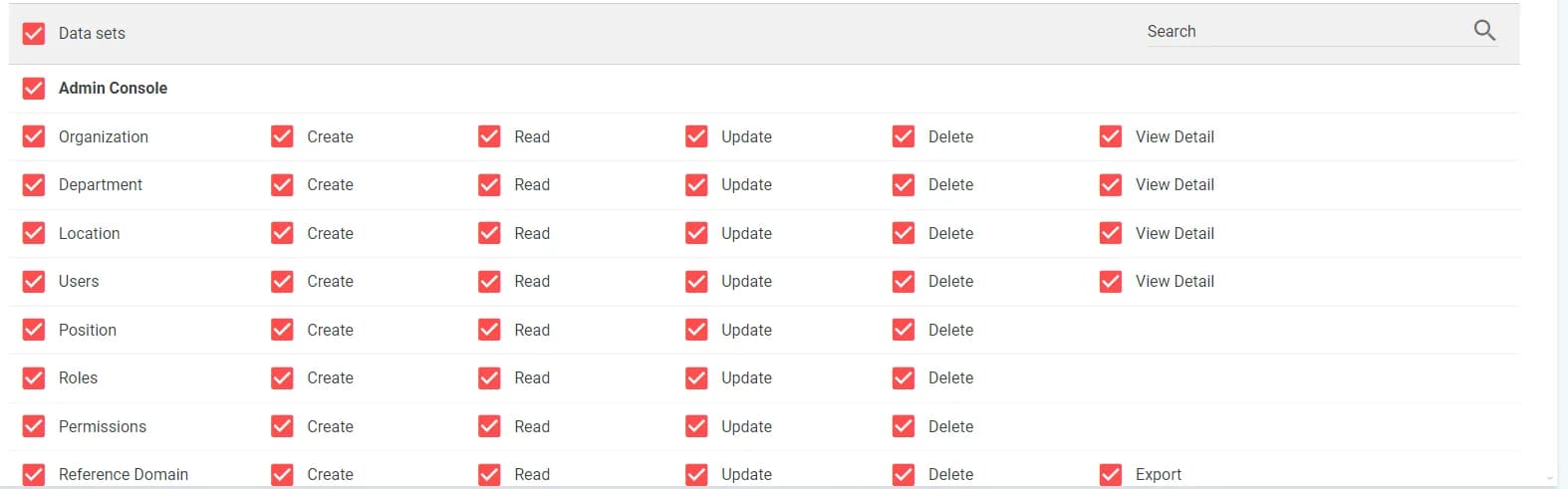
Permissions are set per role, module and component: create, read, update, delete, view detail and export. Users see patients according to their role and department.
Privacy and audit trail
An alias for privacy-sensitive patients hides the real name from anyone not authorized, every reveal of the real name is written to the audit log, and user actions are logged.
Consents and documents
Consent templates signed by e-signature, through the Sign It platform or by print-and-scan, with several signees where needed, plus patient documents such as ID and insurance cards.
From registration to a signed visit
Patient registration
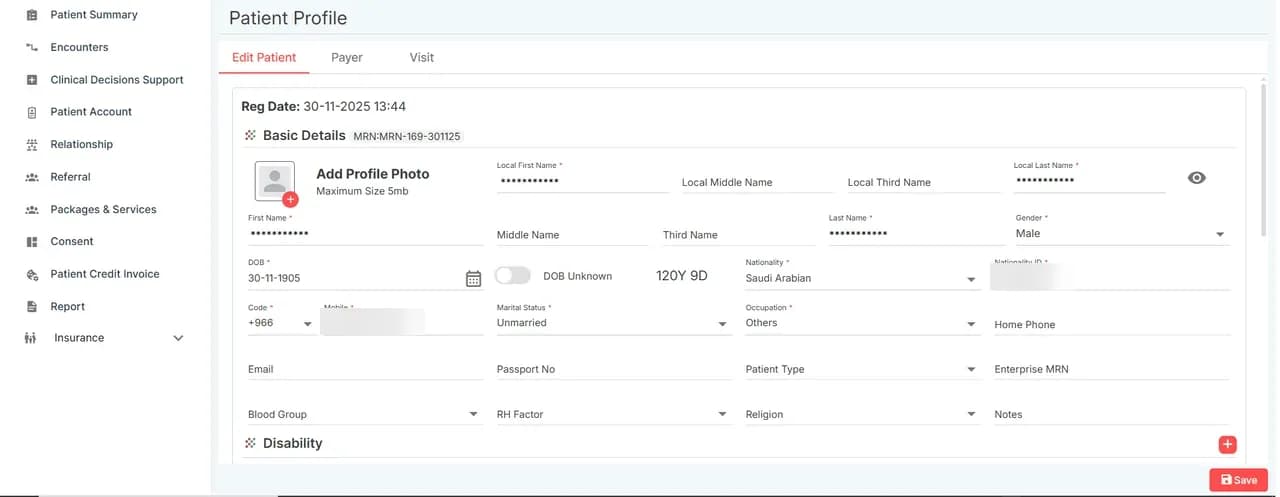
Identity, contact, payer and document details are captured, and a unique medical record number is created.
Vital signs
Nurses record them from the nursing work list before the patient sees the doctor.
Consultation and documentation
The doctor opens the visit and documents the complaint, examination and ICD-10 diagnosis.
Prescriptions and orders
The e-prescription and lab and radiology orders are issued from within the visit.
Signing
The doctor signs the visit, which can be printed or sent to the patient as a PDF over WhatsApp.
Follow-up
Encounters, the patient summary and referrals stay in the record, and a follow-up appointment can be booked straight from a referral.
Inside the system
Screens from the AndroHealth user manual, with patient details hidden.
A unified record inside your facility
Each patient has one record shared by doctors, nurses and departments, and across the branches of the same group when you run several. It is your facility’s or group’s own record, not the national unified health record.
Data migration and export
Patient data is imported from Excel files through bulk registration, and our implementation team helps plan the migration, map your data and validate it. Migration is charged separately from the subscription. Export is a separate permission granted per role.
Electronic medical records: frequently asked questions
Ready to transform your healthcare facility?
Start your free trial today and see the difference.